

Flashbacks and Backstories
Empathy, Mystery, then History


How do you write a flashback or a backstory in your work?
You don’t!
Just kidding. But it is tricky and shouldn’t be put in for any motivation that comes from YOU. That’s right, you’re going to be wrong. Because you made up this character; like God, you love them no matter what messed up stuff they have or haven’t done yet because you know all the things. But your character, Jimmy the Tyrant, is a stranger to everyone else. Even your best friend isn’t going to care about Jimmy, especially at narrative gunpoint (which is what a poorly timed flashback/backstory is).
So, how?
For starters, definitely not at the beginning. Okay, putting the puns away. As a general rule, the backstory/flashback is supposed to explain why a character is the way they are, makes the decisions you may or may not. If the reader doesn’t know them well enough, then what are you doing? If your answer to the “who cares” question is mostly answered by them being the main character or even that you think the reader needs to know for clarity, then you have work to do.
Do not go back before you’ve begun.
And if you’re thinking of prologues, they are usually events that are relevant to the plot involving characters other than the main character. But nothing in writing is a hard rule, as long as it’s done well. The harder you break a rule though, the better it better be.
The reader needs to care about the person in the flashback. The backstory needs to be about a character that has generated curiosity, unanswered questions. The feeling of “I wonder what happened to them to make them this way” needs to be charged up like dragging your feet on the carpet and getting that zap when you open the door to their past.
If and when you do drop that steaming bag of backstory on the reader’s porch, keep in mind that it’ll be easier to laugh at if it’s small. Concise. Harder to get the DNF police involved. The unfortunate truth is, the reader is invested in the here and now of your story, they don’t want to spend an entire chapter on something not progressing the plot. If your character dwells on or recounts their flashback to a stuffed animal and it reveals an old moment with new information that progresses the plot forward, that’s some 4D chess right there, good job.
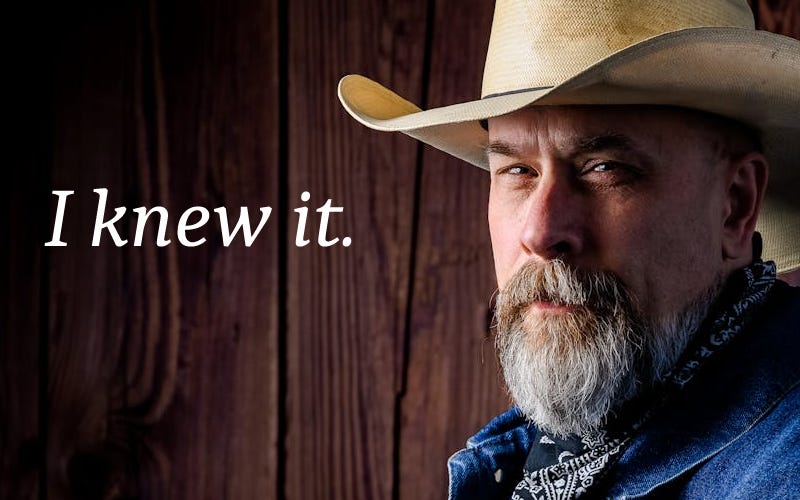
“That’s why my father sang me lullabies about actin’ yellow ‘fore he died of liver failure. I’m the chosen one!”
Avoiding an entire scene is completely possible, too. Oftentimes the reader is far more satisfied by this, if you do it thoughtfully. Dropping in clues as to why a character is the way they are throughout the story, without an outright explanation, can give the reader a reason to think, connect dots, and I think we all need a few more of those moments nowadays. Especially with all the hand-holding in various current day forms of media.
Think of, for example, being in a doctor’s office. While you’re waiting for your little chat about life or death, you notice wholesome pictures of him with only his mother on his desk and a recent oncology degree hanging on the wall next to a calendar with two dates circled. From your seat you can read one of those dates is his mother’s birthday, the next is her next chemo appointment. He comes in and treats you kindly, but you’re just another patient. Until you reveal that you have children. You’re a mother and without him needing to say anything, you know what’s on his own mind. You know why he might be unable to look at you directly, unlike moments before.
Which leads me to another point, your backstory hints, your reveals, the light you shine on their whys; they need to actually affect their behavior. That doctor’s backstory information would be easily dismissed if he just continued treating her as normal. Their goals can reflect their backstory, stemming from their behavior into the actual actions they take. Clues can dance around all over the place, if you’ll just push them in their little tutus on stage.
Carrying on with the use of this doctor’s office and subtle backstory, injecting a fear into the character that relates to their past is effective as well. He can’t look at the mother with cancer, being forced to encounter a reminder of his own traumatic experience, he’s avoidant of her. Another example might be a man with a disfigured face crosses to the opposite sidewalk full of knife-wielding protesters because a young lady is walking a corgi on his current route.
Dialogue is another way to plop in some clues, but don’t you dare do that thing. THE thing. You know the thing I speak of.

“As you know, Bob, I like burning things.”
Here’s an alternate way to info dump a character’s backstory through dialogue:
“Would you like a Moscow Mule?”
“No, no, no, I’m never touching vodka again.”
His friend, half-drunk already, asked, “You mean you don’t want to wake up in the dumpster?”
“…Whiskey sour and thanks Paul, but no, I don’t,” said Mark, gritting his teeth as the night he couldn’t remember replayed out loud for everyone at his uncle’s wake.
Everyone needs a guy like Mark’s friend in their life. Someone to focus their hatred on.
A final tip on subtle backstory dropping through dialogue and/or action would be through what they stop from happening or stand up for. Maybe we change up the way these post-funeral shenanigans go down.
“Something to pass the time?” asked Paul in a whisper, flashing a bit of flask from within his suit jacket pocket. “Don’t worry, no cozy dumpsters around here.”
Mark shook his head and gazed back at the smooth floor under the pew. As his friend took a swig, a twitch took hold of Mark’s arm and slapped the poison from Paul’s hand. The preacher’s soft words about his uncle’s generosity were cut short by the sound of metal crashing against tile; the second accident to send waves of gasps throughout the family.
The first of many clues for the reader that Mark will give up his old ways after a drunk driver took his uncle too soon.
I prefer this method, honestly. The clues are much more satisfying and even though it involves more patience and precision, it’s easier than pausing the story to give an old man’s “back in my day” moment.
I remember talking to my grandfather on his death bed about and around thirty years ago, in his living room, and taking his hand only to notice some of his fingers were missing. I was young enough when he told me the dangers of working in a factory that my parents were shocked I could recall speaking to him at all. But a grandpa I hadn’t been able to get to know, laying down because he was “tired and ready for Heaven”, and succinctly telling me something I would not have been allowed to hear at that age; to little-bitty me, those were all the ingredients I needed to bake an abundance of attention for a lifelong memory cake.
Empathy, mystery, then history.
Interesting read. I'll have to remember this!